Rowing across the Atlantic Ocean: is it dangerous?
You are rowing across the second largest ocean IN THE WORLD which covers approximately 20% of the earth’s surface, at points there will be 5 kilometers of water underneath you and the closest humans to you will be on the international space station, and you're doing that in a boat which is on the edge of being big enough to live on…
Of course it’s dangerous!
However, after decades of people choosing to do this slightly ridiculous thing, ocean rowing has become significantly safer — if you do it properly.
Like any high-risk pursuit, you need to enter it understanding the risk involved.
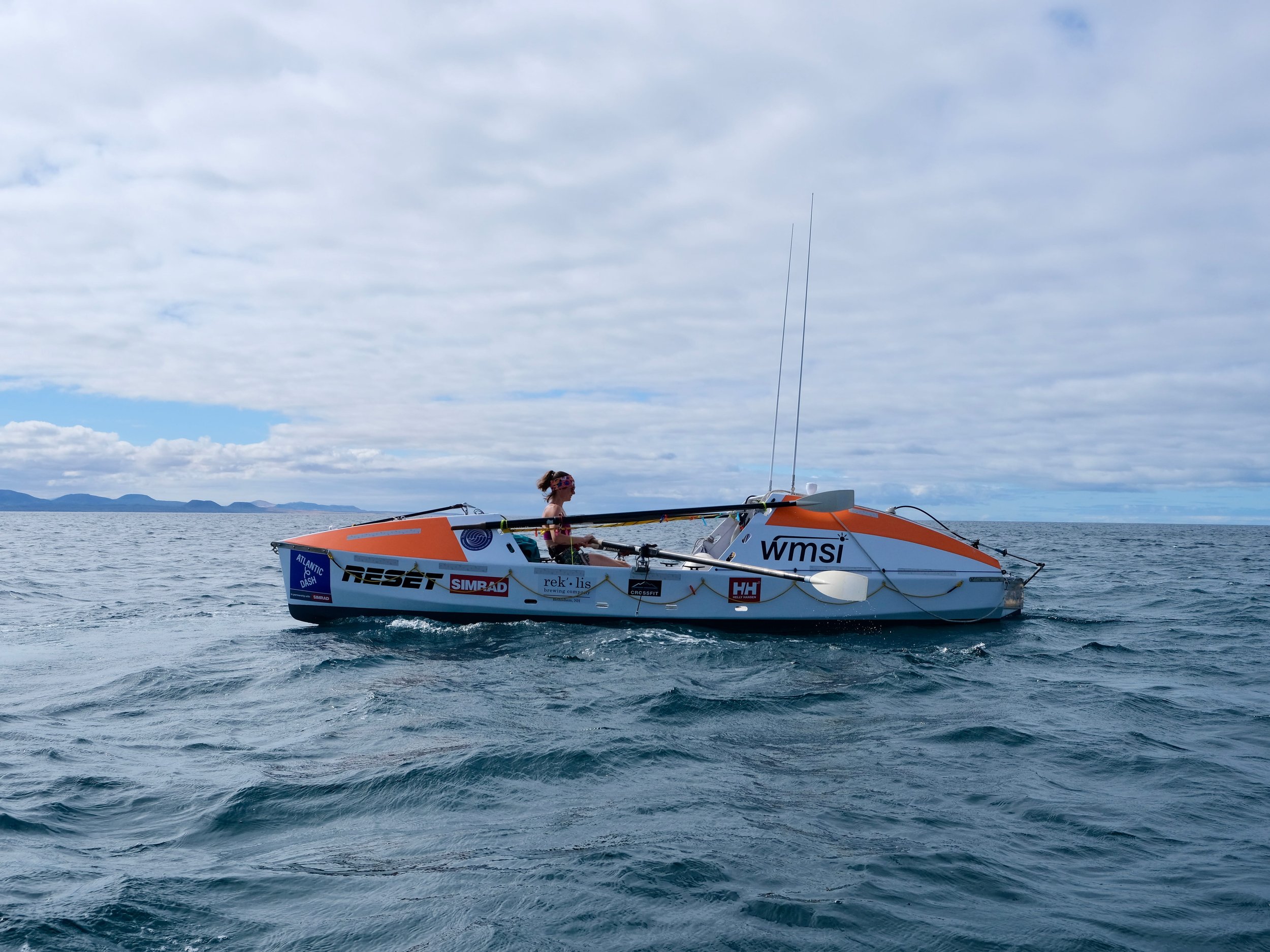
Why is it dangerous?
Dangerous (adjective): able or likely to cause harm or injury.
You could die. Ultimately that is why it is perceived as dangerous.
You are at the mercy of the elements, the heat of the sun, the power of the wind and the force of the waves. You are susceptible to sunstroke, dehydration, sunburn, minor injuries, sleep deprivation…
The problem with being thousands of miles away from land is that if something does go seriously wrong you are a long way from help.
But perspective matters.
Driving is also dangerous. It is estimated that over a million people die in car crashes each year and yet people still get in cars everyday.
Risk is part of life. The real question is how well that risk is understood and managed.
Has anyone died rowing across the Atlantic?
Yes. Sadly, there have been fatalities. Here are three cases:

1. Michael Johnson, age 21 (2016)
Michael was part of a crew of 8 people making an independent crossing of the Atlantic. At the time it was common practice to use a velcro surf leash attached at the ankle as your anchor to the boat but when Michael was swept overboard by a huge wave, the surf leash failed to keep him attached to the boat, and he wasn’t wearing a life jacket or a PLB (personal locator beacon).
A rescue attempt was made but the conditions were not in their favour, it was dark, windy and wavy, and sadly Micheal was lost at sea and his body was never recovered.
There were a number of issues with this crossing – including no sea survival training, no safety briefing and inadequate safety equipment on board – and it resulted in skipper Simon Chalk receiving a 12 month suspended sentence after pleading guilty at Bristol Crown Court in 2023.
This tragedy led to major changes across the sport:
Proper harness systems (not surf leashes)
Mandatory life jackets and PLBs
Compulsory sea survival training
Structured safety protocols in organised events
Lessons were learned. Standards were raised.
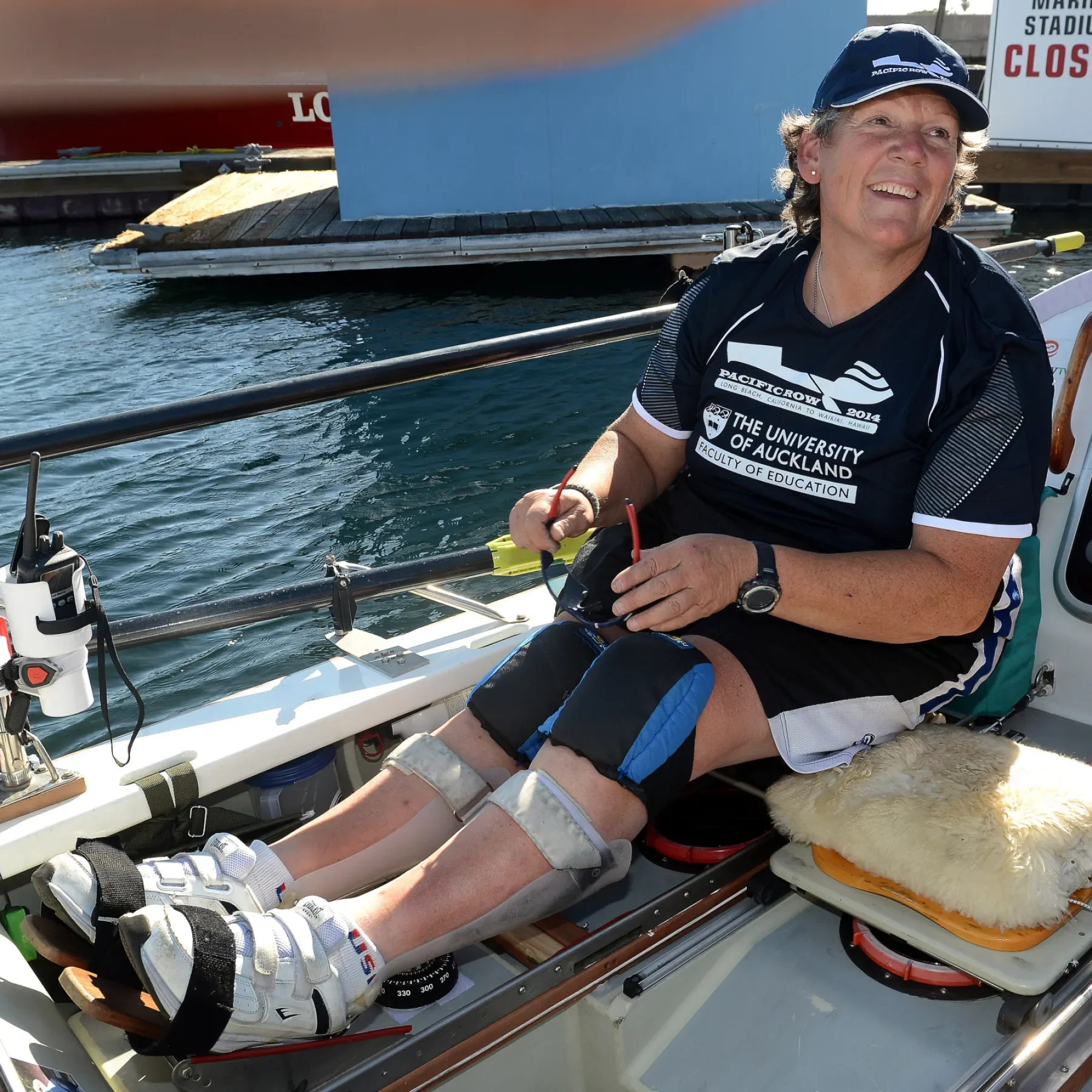
2. Angela Madsen, age 60 (2020)
Angela Madsen was an extraordinary human.
A former Marine, a Paralympian, and a pioneering ocean rower, she refused to let a life-changing spinal injury define her. After becoming paralysed, she rebuilt her life through sport and went on to complete multiple ocean rows, including the Atlantic and Indian Oceans.
In 2020, Angela set out to row solo and unsupported across the Pacific Ocean. Halfway through the expedition she entered the water to repair her bow shackle. Her wife Debra waited for the “I’m back on the boat” text that never came.
The coast guard was alerted and a cargo ship diverted its course to check on Angela. Around 36 hours later the captain of the ship confirmed they had found her deceased, still tethered to her boat.
It will never be know exactly how Angela died… hypothermia, a heart attack, knocked unconscious, are all possibilities.
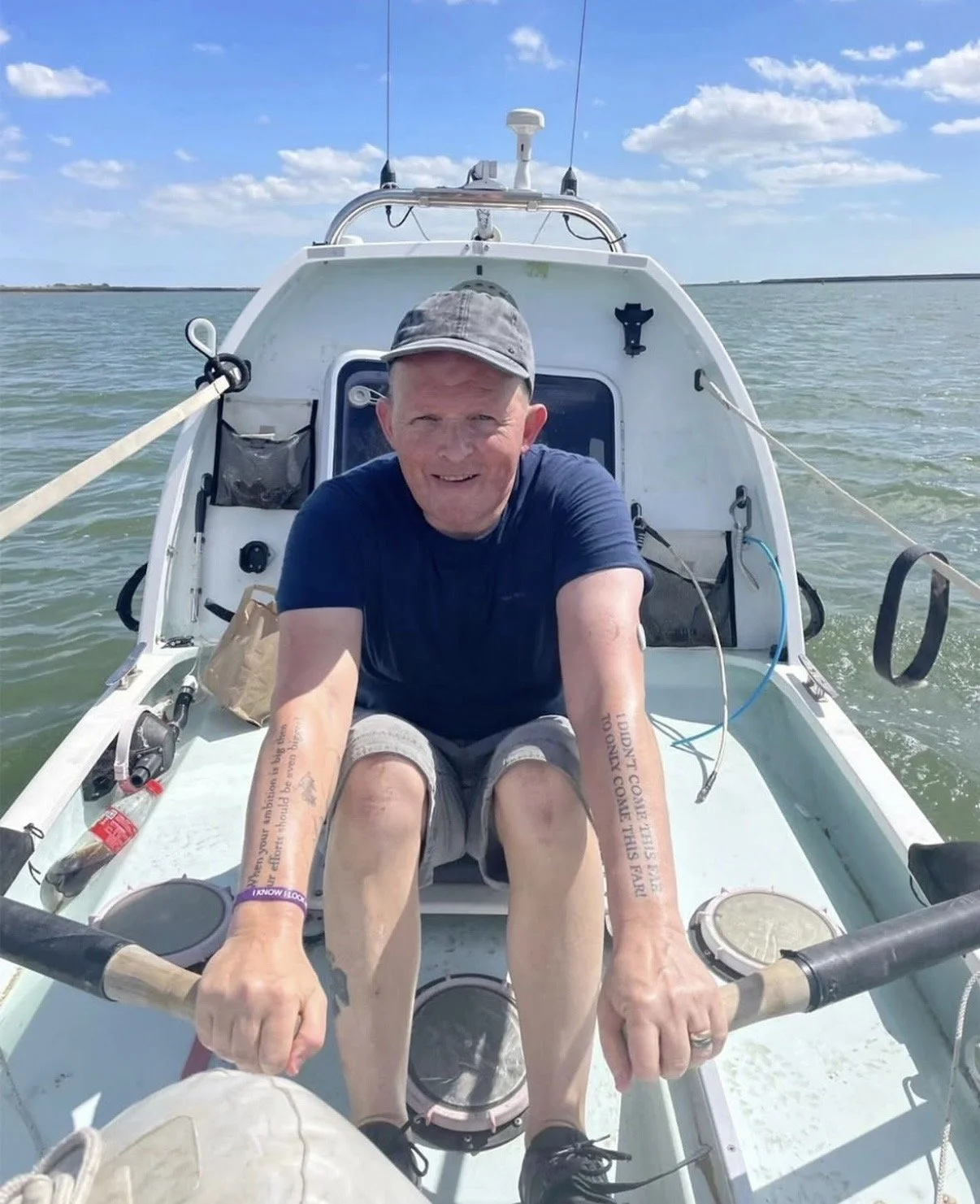
3. Michael Holt, age 54 (2024)
The most recent loss in the ocean rowing community was Michael Holt.
As a Type 1 diabetic, Michael fell ill and was sadly found dead inside his cabin by the crew of fishing vessel 700 miles into his independent journey from Gran Canaria to Barbados.
An inquest revealed Michael injured his hand when his boat was hit by a wave. The coroner said the cause of Michael’s death was polytrauma - two or more severe injuries in at least two areas of the body – adding this was a "tragic accidental death".
Technology is your friend
We are lucky. It’s the 2020s and we are well and truly in an advanced technological age.
In fact technology has advanced so much in the last few years that it’s now possible to stream Netflix as you lie in your cabin in the middle of the Atlantic. What a crazy time we live in!
We have access to Satellite phones, internet connections, GPS, AIS, VHF, PLBs, EPIRBs – and many other acronyms – which all increase the safety of crossing an ocean.
Gone are the days where people went to sea and no one heard anything from them until they hit land, and hitting land was reliant on whether you could use a sextant and navigate by the stars.
You no longer need to ration your water supply. You no longer need to worry about food perishing. Support teams can track your position in real time. Weather systems can be monitored and avoided. And if something goes wrong, you can call for help instantly.
Safety developments
Organised events have played a major role in making ocean rowing safer.
Entering an event like the Atlantic Dash means you don’t just turn up and row. You prepare properly.
That includes:
Pre-departure medical checks
Mandatory sea survival training
Minimum training hours on your boat
Full safety briefings and drills
24/7 medical and safety support
Live tracking for every boat
Modern ocean rowing boats are also designed with safety in mind:
Self-righting capabilities
Enclosed cabins
Life rafts
Emergency rations
Comprehensive medical kits
So… is it dangerous?
Yes.
But it’s not reckless. There’s a big difference.
Ocean rowing sits in the same category as mountaineering, offshore sailing, or skydiving. The risk is real — but it is understood, mitigated, and managed through preparation, training, and support.
The danger isn’t what should stop you. Ignoring the danger is.
If you respect the ocean, prepare properly, and follow the systems that exist, ocean rowing becomes something else entirely:
Not just dangerous — but achievable.
And for a few people, absolutely worth it.
Ready to take on the Atlantic?
If you’re reading this, chances are the idea has already crossed your mind.
The Atlantic Dash is designed to make ocean rowing as safe, supported, and achievable as possible — without losing the spirit of adventure that makes it so powerful.
👉🏼 No waiting lists.
👉🏼 Structured training and support.
👉🏼 A team that’s been there and done it.
You don’t need to be extraordinary to row an ocean.
You just need to decide to start.
Register your interest for a future Atlantic Dash and take the first step toward your own crossing.