Why are some ocean rowing boats faster than others?
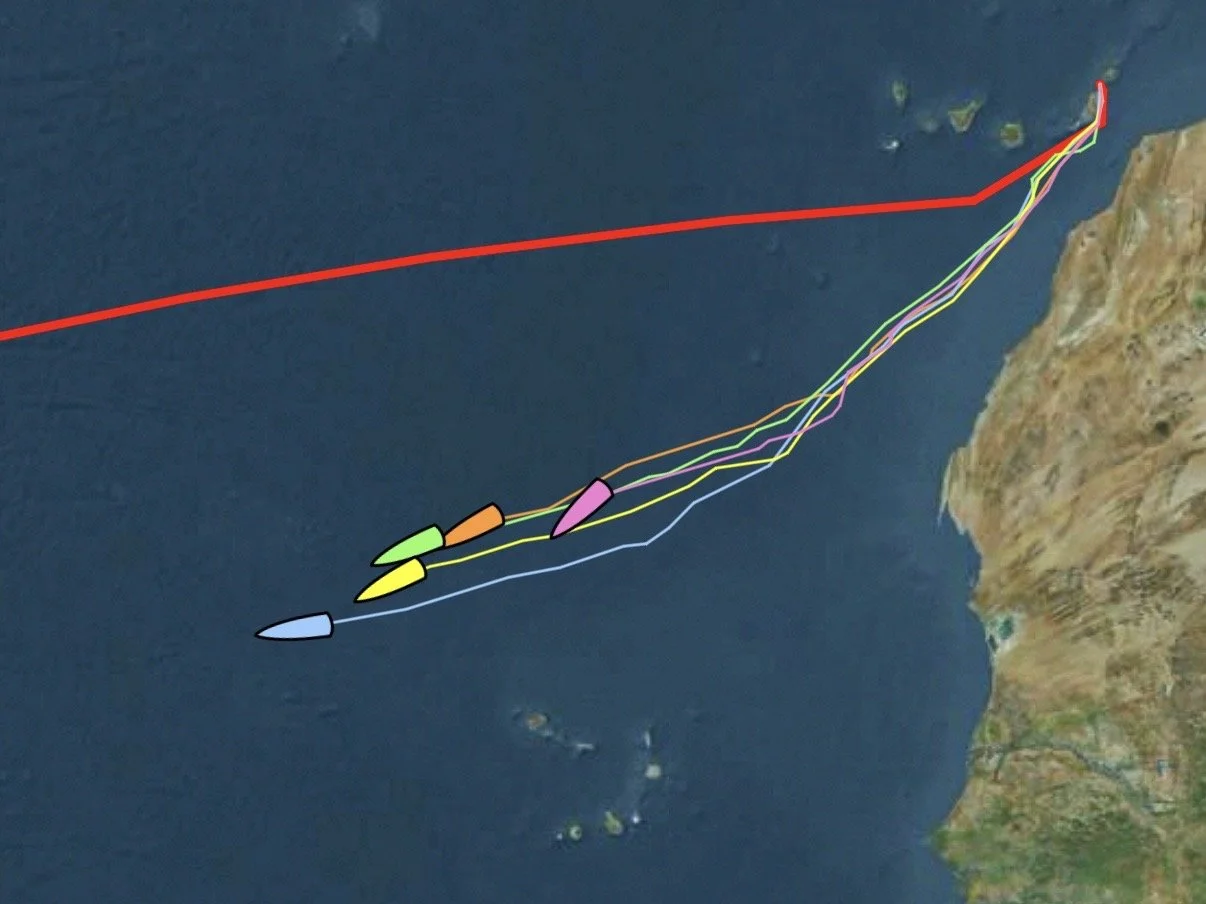
2026 tracker as of 12/2/26 16:00 (day 19)
A common question when looking at the tracker
Why is Cheerfulness so far ahead?
How is a pair ahead of a four?
Why are boats that look similar travelling at completely different speeds?
How is the solo rower keeping up with the rest of the fleet?
There are lots of factors in ocean rowing, but most of the differences you’re seeing come down to three big ones:
Boat design
Weight
Experience
Let’s take a look at how each crew compares…
Cheerfulness
Boat: Cheerfulness - Rannoch RX25
Build: Carbon fibre
Hull: Modern rounded bilge with daggerboard
Length Overall: 7.32 metres
Length of waterline: 7.1 metres
Beam: 1.70 metres
Draft: 0.26 metres
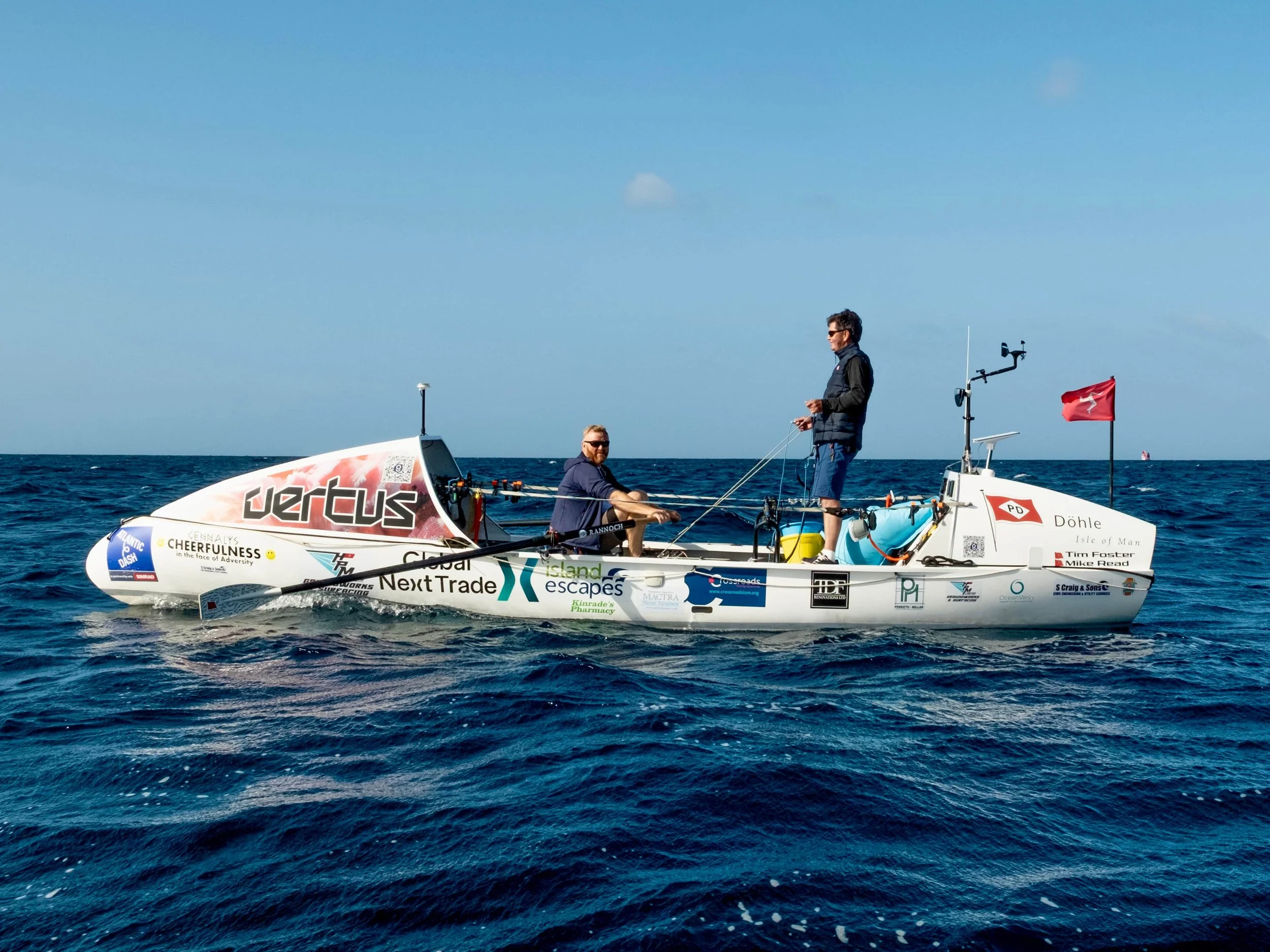
The RX25 is the newest design in the Rannoch family and it shows. Carbon fibre construction makes Cheerfulness lighter than many of the other boats in the fleet, while the hull shape reduces water displacement so she can glide across the surface rather than push through it. The daggerboard helps the boat hold her line when heading into wind, and the long waterline length comes into its own when surfing down waves.
Weight is a major advantage too. With only two crew on board, Tim and Mike are already roughly 150kg lighter than a four before you even consider the extra food and equipment a bigger team must carry.
They also keep the oars turning 24 hours a day between them, and both are experienced sea kayakers. They understand how craft respond to different sea states and how to work with the conditions rather than against them.
Put that all together and you can see why Cheerfulness is currently stretching away.
Team Do The Thing
Boat: Elizabeth – Sea Sabre
Build: Foam sandwich composite
Hull: Traditional / modern hybrid with skeg-hung rudder
Length overall: 8.25 meters
Length waterline: 7.8 meters
Beam: 1.72M
Draft: 0.47M
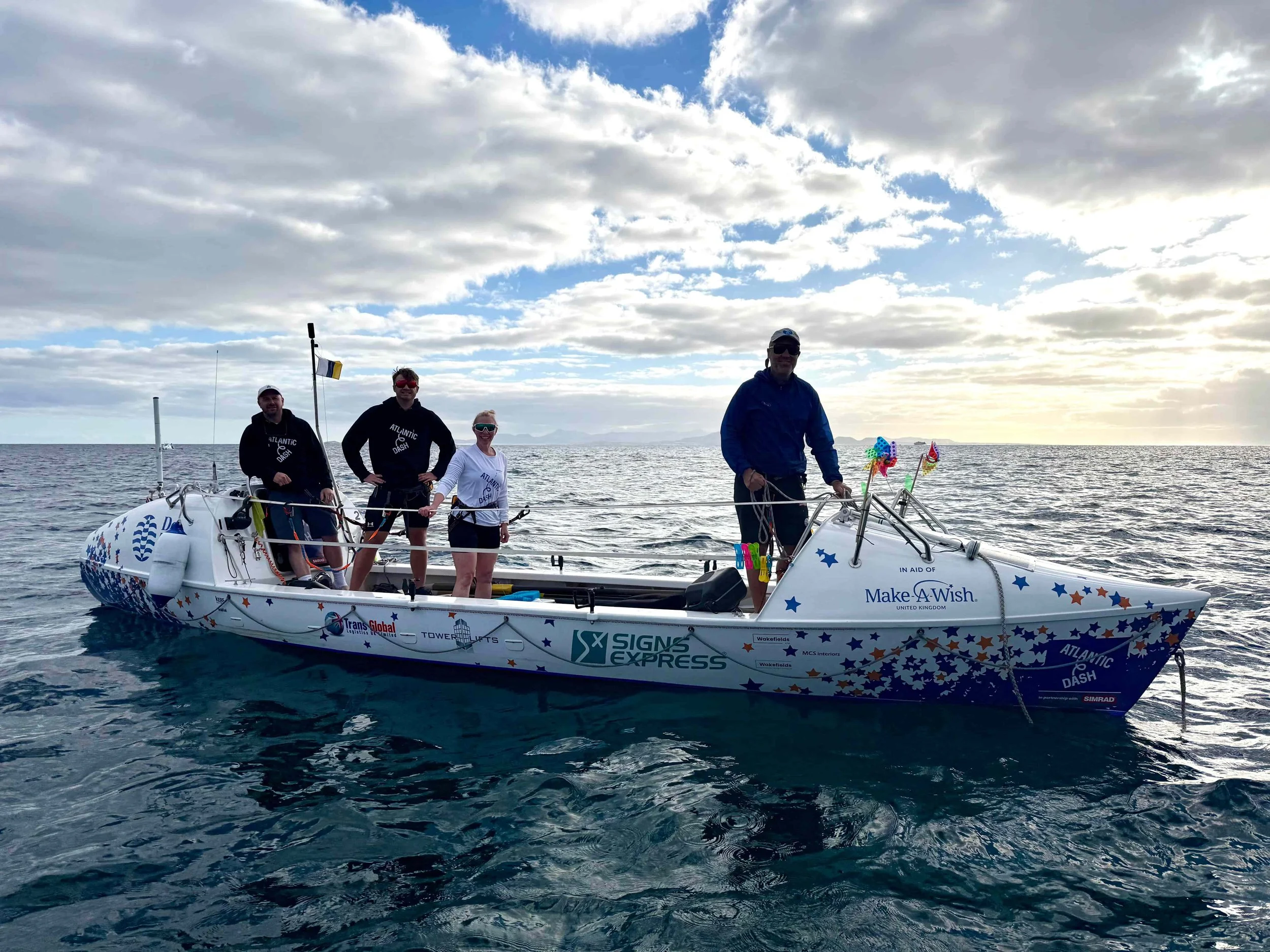
Elizabeth is longer than most boats in the fleet, with extra deck space that allows crew to sit outside the cabin while two people continue rowing. Brilliant for comfort and morale, but added length and structure inevitably mean added weight.
There is also simply more hull in the water, which increases resistance – particularly noticeable when running with the wind and waves, as the fleet is now.
The big advantage of a crew of four is manpower. They can keep two rowers working almost constantly. While that doesn’t double the speed, it usually produces a 10–20% gain compared with a similar boat rowed by one person.
SharkBait
Boat: Simpsons Donkey – Rannoch R20
Build: Carbon fibre
Hull: Modern rounded bilge with daggerboard
Length Overall: 6.87 metres (22’6”)
Length Waterline: 6.12 metres
Beam: 1.28 metres
Draft: 0.26 metres
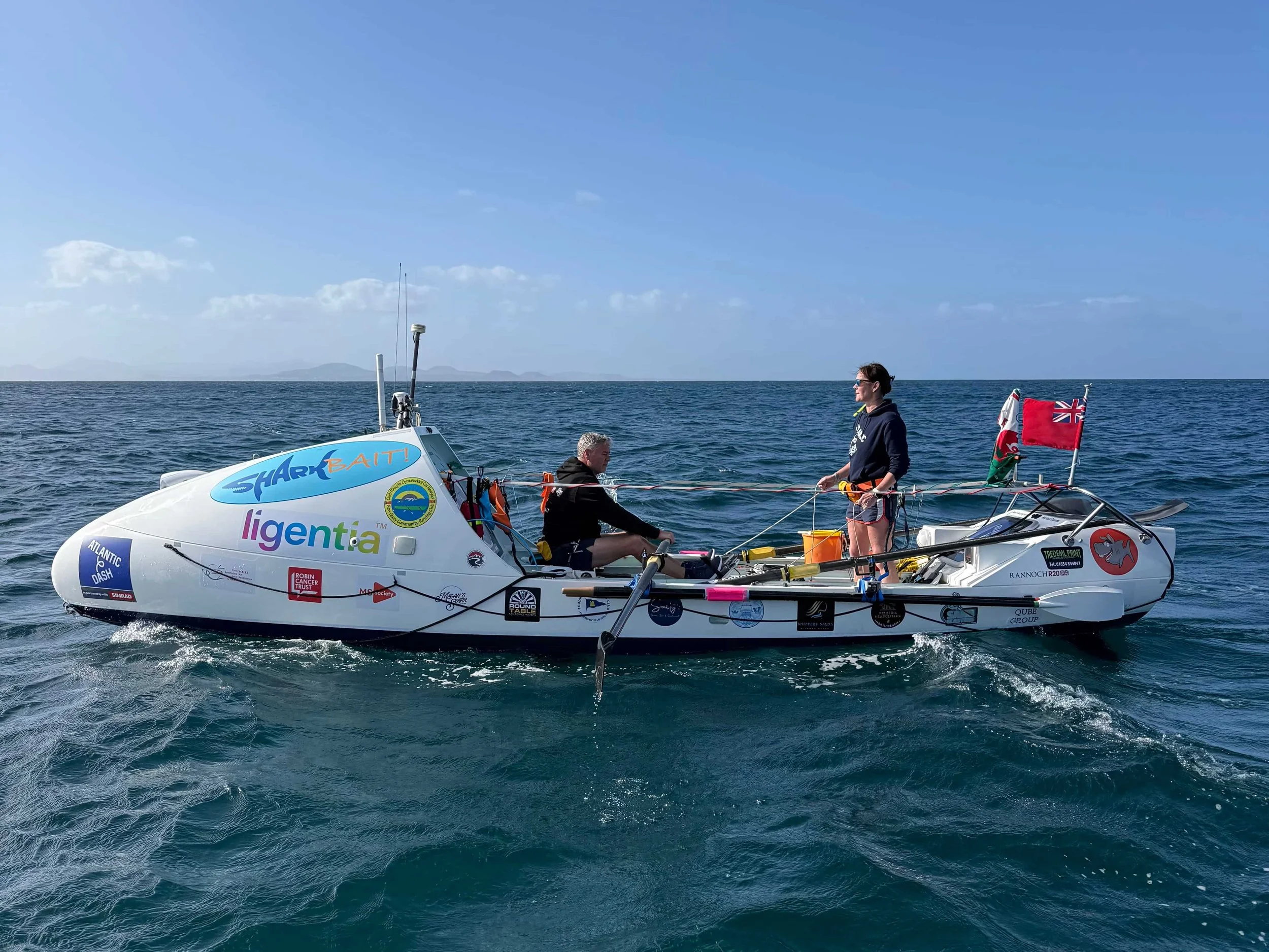
Another Rannoch, and another light, quick hull. The R20 has a very small aft cabin and a larger bow cabin. When the wind is behind them, that front cabin effectively helps push the boat along. The flatter hull shape also reduces drag and makes surfing easier when the swell lines up.
Emma brings valuable experience as a coastal rower and knows how to handle a boat efficiently.
However, Andy and Emma have often chosen to row and rest together. When nobody is on the oars – particularly overnight – the miles tick by more slowly compared with crews running continuous shifts.
Changing Tides
Boat: Danielle - Sea Sabre
Build: GRP
Hull: Traditional long keel
Length Overall: 7.32 meters
Length waterline: 6.91 meters
Beam: 1.84 meters
Draft inc rudder: 0.5 meters
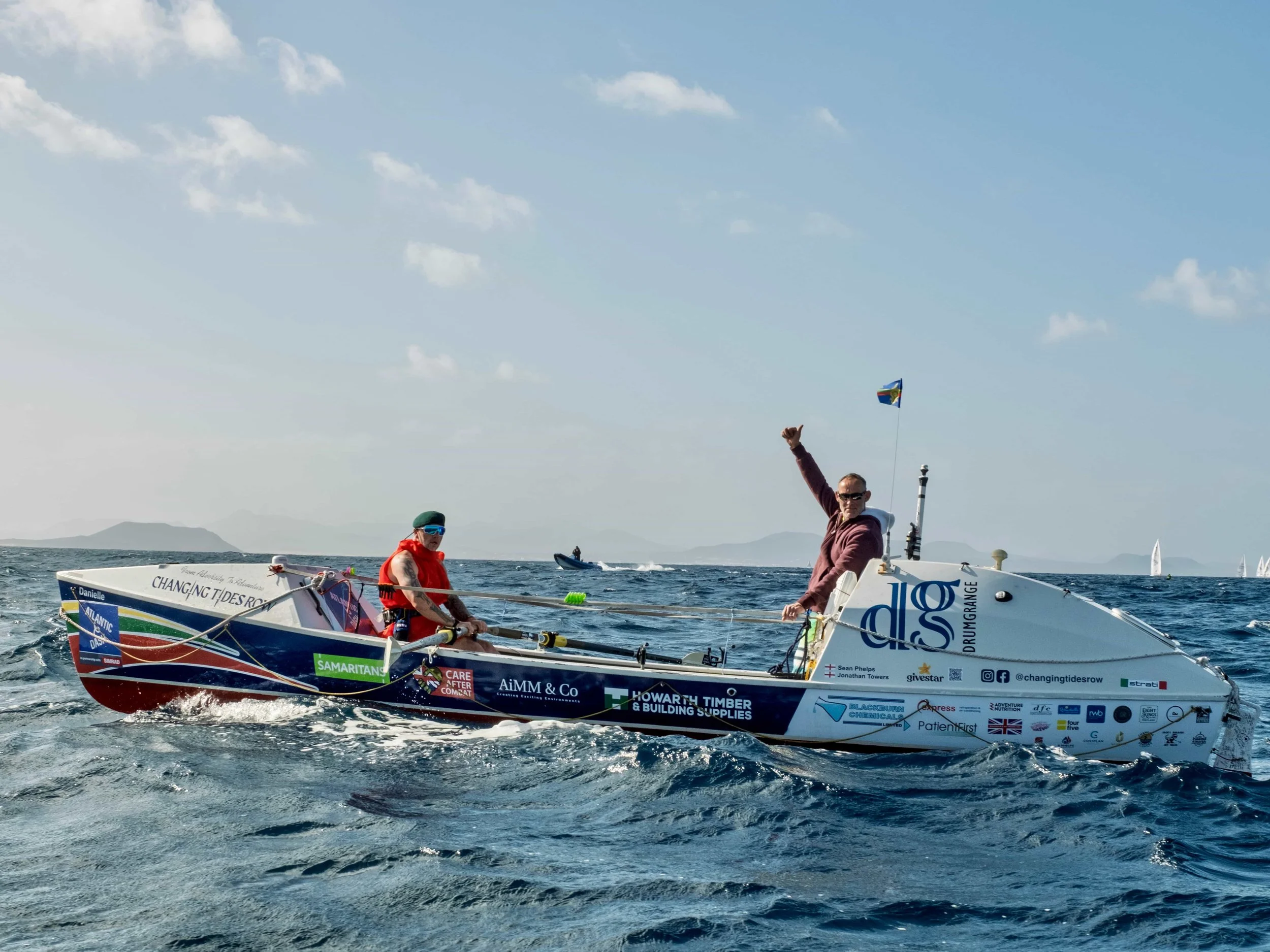
Danielle is a classic, old-school ocean rowing boat. She’s beamier than the Rannochs and carries a full-length keel, making her track beautifully in a straight line and very resistant to capsize. The trade-off is manoeuvrability and speed. The keel and older hull design create more drag, and the fibreglass construction means more weight to move.
Jonny and Sean don’t have an autotiller, so they are foot-steering all the time.
Outside of the mandatory training required to enter the Dash, they began this adventure with limited water experience. The tougher conditions early in the crossing meant a steep learning curve, but they are adapting fast.
Like Cheerfulness, they keep the boat moving 24/7 between them, and every watch is adding to their understanding of how to get the best from Danielle.
Tem fOARtysomething
Boat: Reset – Brasileirinho
Build: 6mm plywood with GRP coating
Hull: Multi-chine, full-length keel with skeg
Length overall: 6 metres
Length Waterline: 5.78 metres
Beam: 1.6 metres
Draft: 0.36 metres
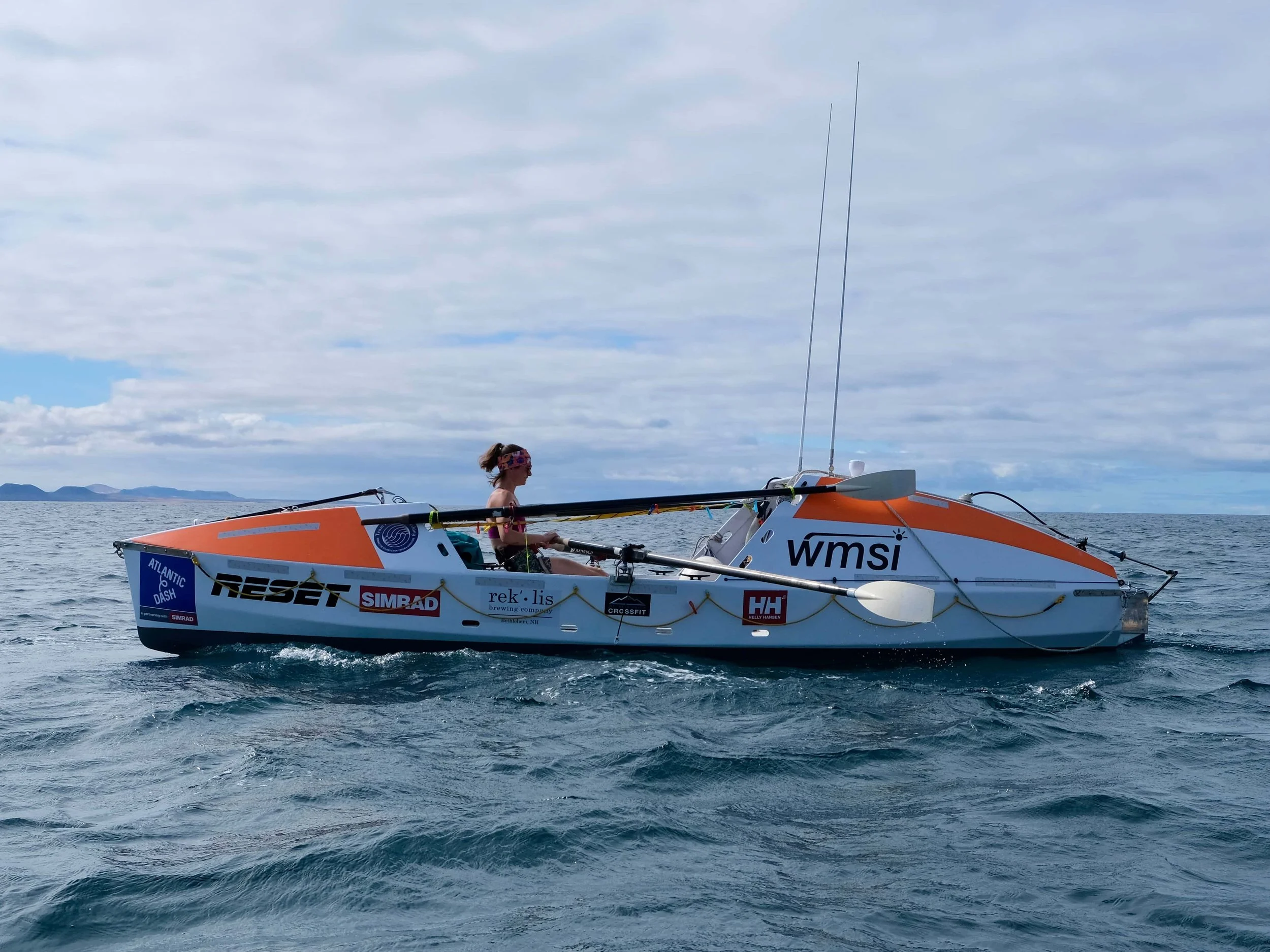
Reset is heavier than the carbon boats and the traditional keel creates more drag. She won’t accelerate as quickly and doesn’t surf as readily as the modern rounded Rannoch hulls. But there are upsides. The keel gives excellent grip in the water, meaning Renee can steer with the oars and operate without an autotiller most of the time. The chines also provide reassuring stability.
As a solo rower, Renee typically puts in around 16 hours per day on the oars. The challenge is the remaining eight hours: with nobody rowing, the boat slows and becomes far more influenced by wind and swell.
Renee arrived with huge river experience but limited time at sea. Every day she is learning more about how Reset behaves in ocean conditions – and getting better at squeezing extra miles from her.
The Big Picture
Speed offshore is never about just one thing. A fast design helps. Being light helps. Experience helps. But determination, smart routines, and learning as you go matter just as much.
And the beautiful thing about the Atlantic? It can reshuffle the leaderboard at any time.